Happy solstice!
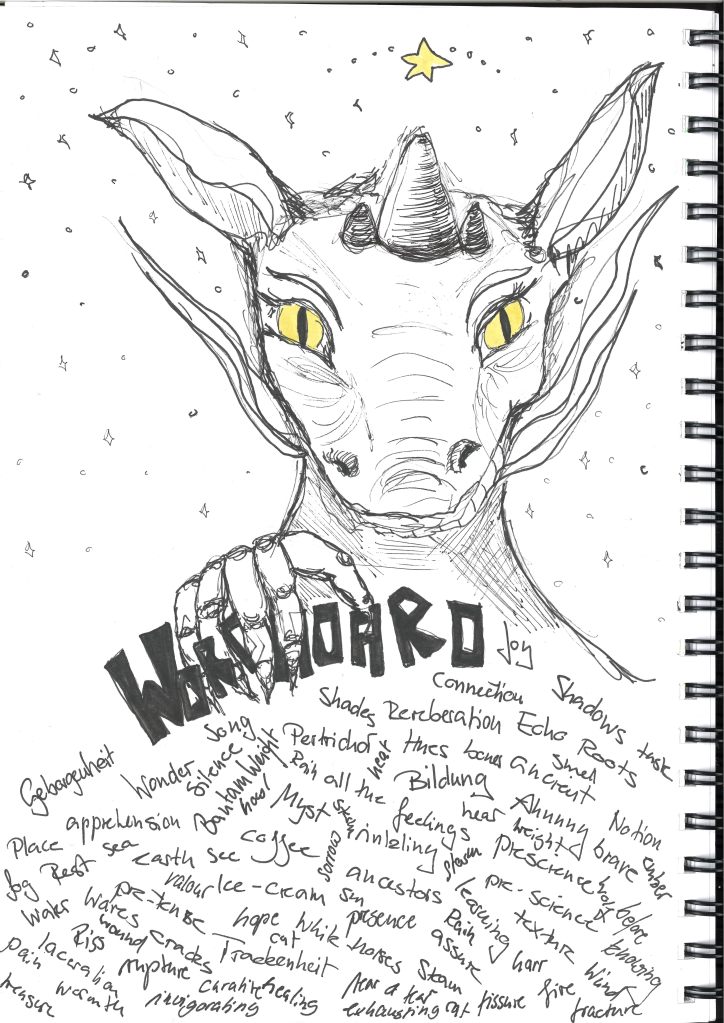
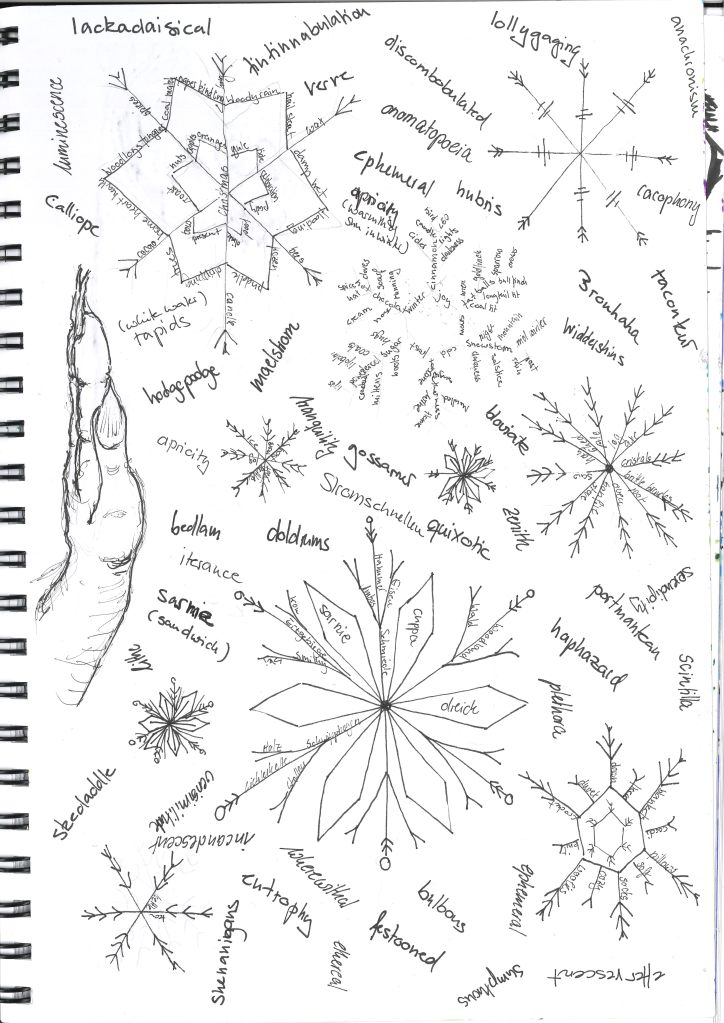
So I signed up for BBC Maestro–yay Black Friday Deals! And begun with the poetry class by Carol Ann Duffy. I had to share my homework for one of the metaphors she introduced: word hoard.
I so loved the idea of a word hoard and of course there must be dragons if there is a hoard!
My first word hoard
Raunacht Collection
The course has inspired me to write a whole host of poems. And I picked twelve to put in a kaleidoscope of memories. They wanted to be called the Raunacht Collection. It is scheduled to go live on the 24th.
If you don’t know the term, Google Bard was much better explaining this than I:
Rauhnächte: Twelve Nights
This is the time when the wild hunt rides and the spirits run wild.
The Raunächte, also known as the Twelve Nights, Rauhnächte, or Holy Nights, are a period of twelve nights and days between Christmas and Epiphany (December 25th to January 6th). It’s a time steeped in folklore, tradition, and a touch of the mystical, observed primarily in Central and Eastern Europe, particularly in Germany, Austria, Switzerland, and parts of Scandinavia.
-Google Bard
Origins and Traditions:
The origins of the Raunächte can be traced back to pre-Christian times, possibly linked to pagan winter solstice celebrations and veneration of nature spirits. With the spread of Christianity, the period became interwoven with the Nativity story and themes of spiritual renewal.
Traditionally, the Raunächte were seen as a liminal space, a threshold between the old year and the new, when the veil between the worlds was thin. This belief led to various customs and rituals, often centered around warding off evil spirits, divining the future, and ensuring good fortune for the coming year.
The etymology of the word “Raunacht” is uncertain. There are two main interpretations:
- The first interpretation is that the word comes from the Middle High German word “rûch” meaning “hairy”. This interpretation could refer to demons dressed in fur or to rituals involving livestock.
- The second interpretation is that the word comes from the traditional practice of fumigating stables with incense. This interpretation is also supported by historical evidence.

 Poetry by Nathalie